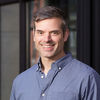

Our January speaker on the topic of Mystery is Craig Addy!
How do you define creativity and apply it in your career?
This could have so many definitions. Here are some of mine. Creativity is the practice of discovering ways to reveal and step past limiting viewpoints. It’s playing in the sandbox without expectation of a particular outcome. Creating can have a plan but being willing to go in a different direction when it presents itself is creativity. It’s saying what’s been said many times in a new way. I try to do all of this, to varying effect and degree, when I perform, compose, cook, and teach.
Where do you find your best creative inspiration?
I find it in a few places. First and foremost is when I sit at a piano. As a spontaneous improviser, this is the moment of truth, the point of no return, the do-or-die place. While improvising at the piano, I find creative inspiration the sound of the piano, in the sound and aesthetics of the space in which the piano exists, in the conversations with the listeners before I play, and in the “mistakes" or unintentional results that present themselves while I play. To succeed, you must accept these unintended musical elements and allow them to take you somewhere you had no plans on visiting. I also find creative inspiration in nature and other art media such as painting, sculpture, poetry, film and dance. They are great starting points and catalysts for creation.
What’s the one creative advice or tip you wish you’d known as a young person?
My conversations about my own talent, attributes, and aptitudes were and still can be my single worst enemy. They give nothing more than an excuse for not doing the work. Why would I bother if I think I’m not good enough.
Who would you like to hear speak at CreativeMornings?
Tien Neo Eamas.
What books made a difference in your life and why?
“The Brain That Changes Itself” by Norman Doidge.
Your brain is plastic. It can transform, expand it’s capabilities, develop, and re-create itself until the day you die. In this lies freedom if you are willing to accept it for it means there are no excuses and it is never too late to begin.
“Blink” by Malcolm Gladwell
Particularly the passage called “The Structure of Spontaneity” which examines improv actors and reveals how the improvisation will fail if the actors get an agenda and fail to accept and work with what is presented to each other by each other.
“Outliers: The Story of Success” by Malcolm Gladwell
The chapter that examines a study about violin students of varying levels of accomplishment reveals that the ones who were most successful were not the ones perceived to be the most talented or accomplished at the beginning of the study. The successful violinists were simply the ones that practiced the most. It was a sobering wake up call to the reality that I had used my own self-doubt and poor opinons of my talent as an excuse to practice less than I could have. Your success is most profoundly determined by your willingness to work, with guidance, rather than aptitude or talent.
“The Rest is Noise” by Alex Ross
This book examines the history of western classical music and revealed to me that the reality that a universal harmonic language in music no longer exists. The quest to be the next towering master, such as Beethoven, Mozart or Bach, during the late 1800’s and early 1900’s was exhausted and unsuccessful. We now live in a world of niches when it comes to musical harmonic language and genre. This gave me the freedom to pursue my own aesthetic of beauty in music and to let go of the idea that I had to somehow say something radically new as a composer or performer. I no longer have to convince everyone of the value of my music. I just need to find my niche audience who share my aesthetics about music.
“Sound Business” by Julian Treasure
This book examines the positive and negative impacts of noise, sound and music in every aspect of our lives. Simply mind-blowing. I think about sound everyday and everywhere because of this book.
“The Music Lesson” by Victor L. Wooten
A radical and truly out-side-the-box exploration of music and what it is. I’m still reading it. It has already influenced how I teach and improvise.
What myths about creativity would you like to set straight?
“I’m not creative” - I no longer accept this statement from people. Everyone is creative. If you say you are not creative, you will then fulfill on this by not participating in creative activities. If you participate in creative activities and you do it consistently, you will discover that you ARE creative.
“Perfection” isn’t an outcome or something to be attained or achieved. Perhaps, you do need to practice and work hard to master skills that make perfection possible but as soon as you try to be perfect or do something perfectly, perfection is lost.
Mistakes or undesirable results are actually gifts if you are willing accept them and work with them.
Allowing yourself to get it wrong is the best gift you can give yourself and the most powerful way to progress and expand.